Freedom Papers
Freedom Papers
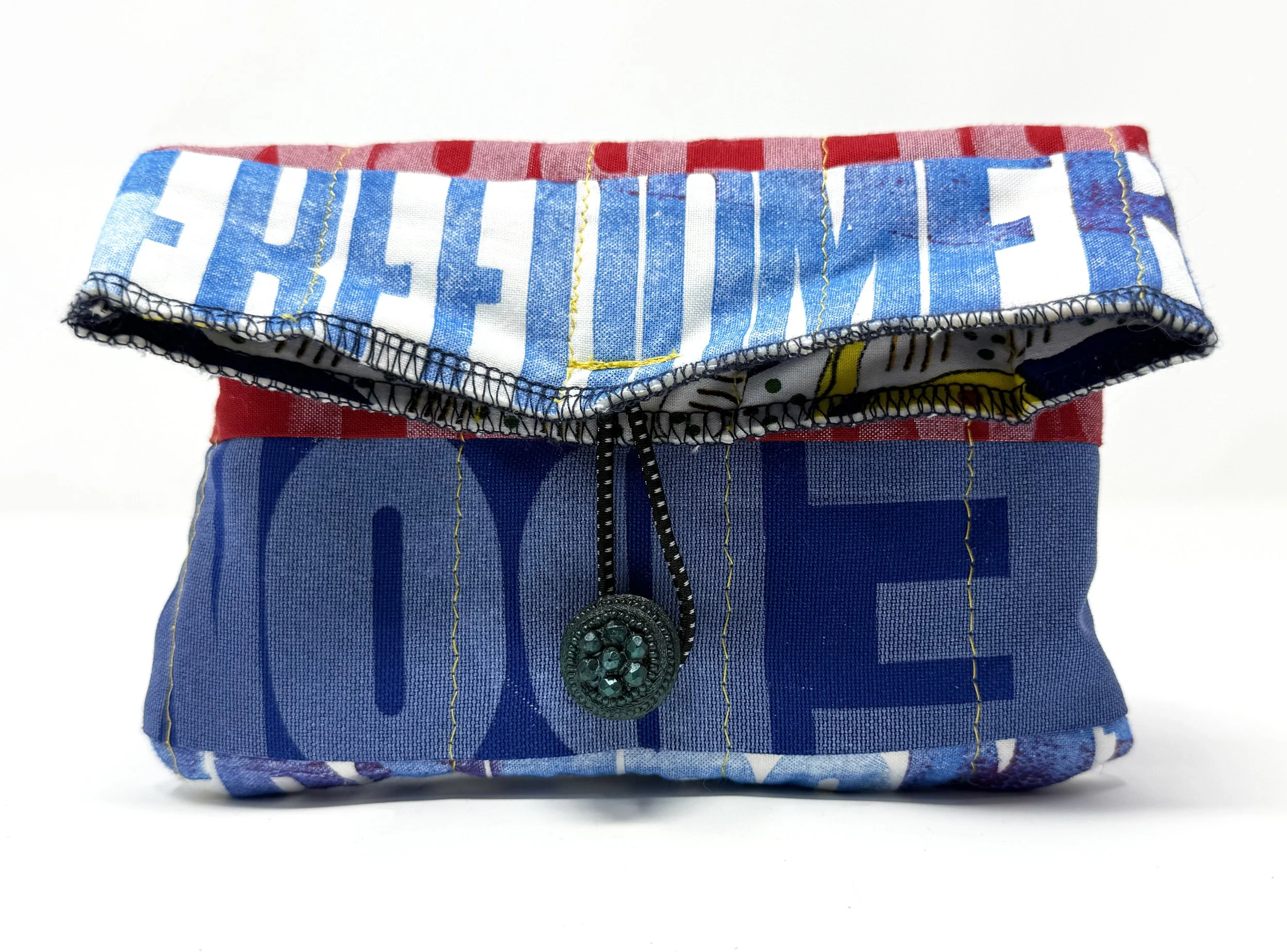
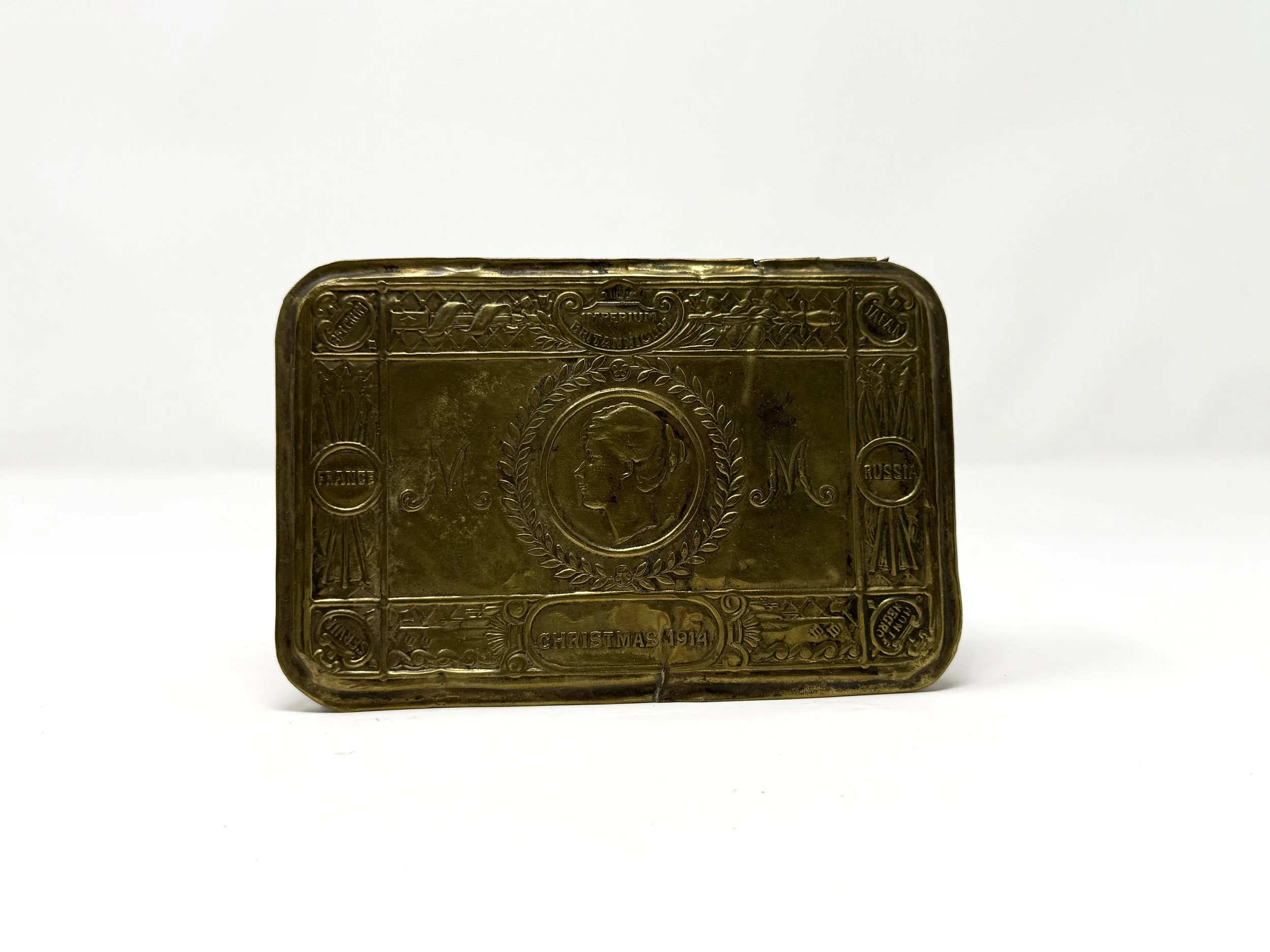
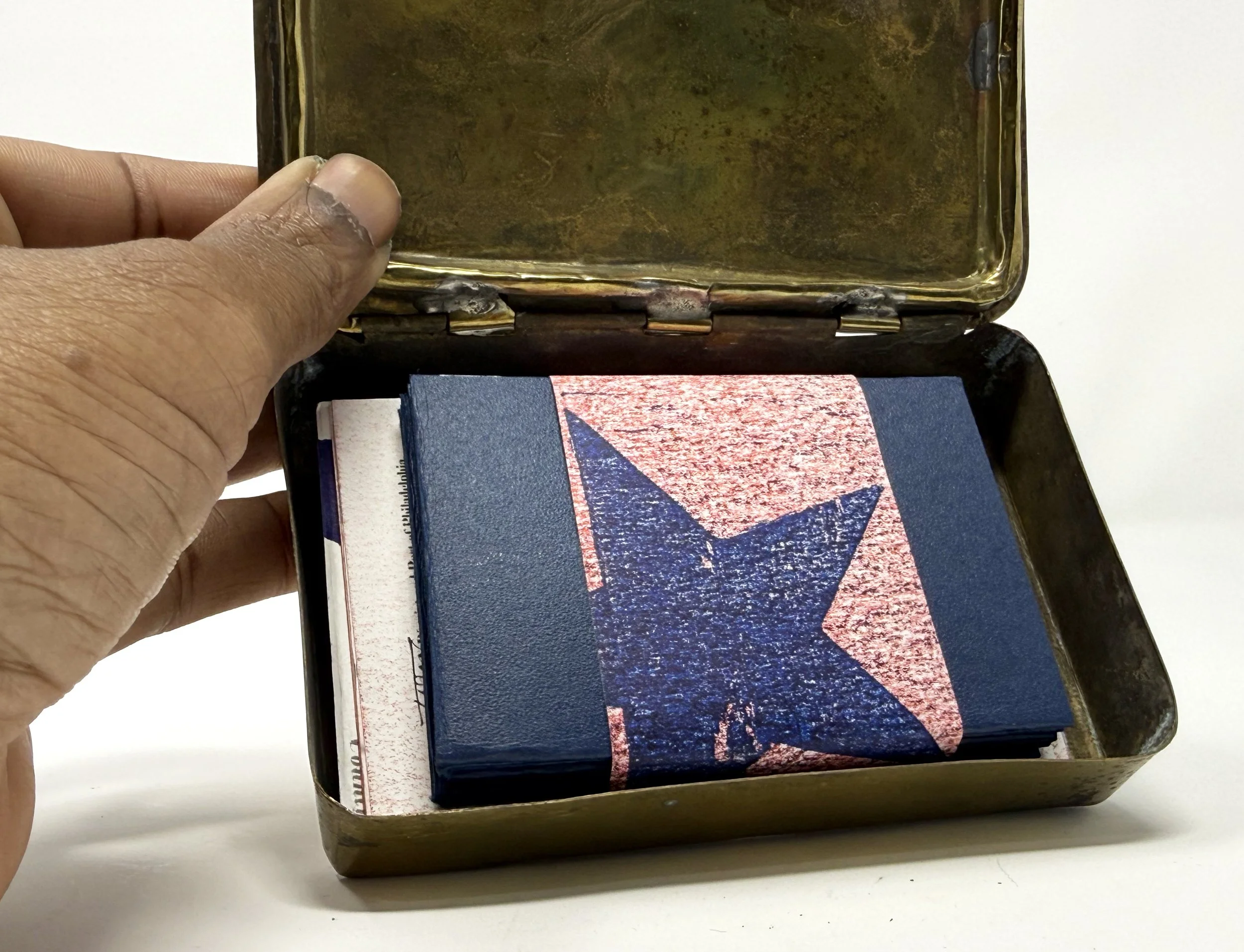
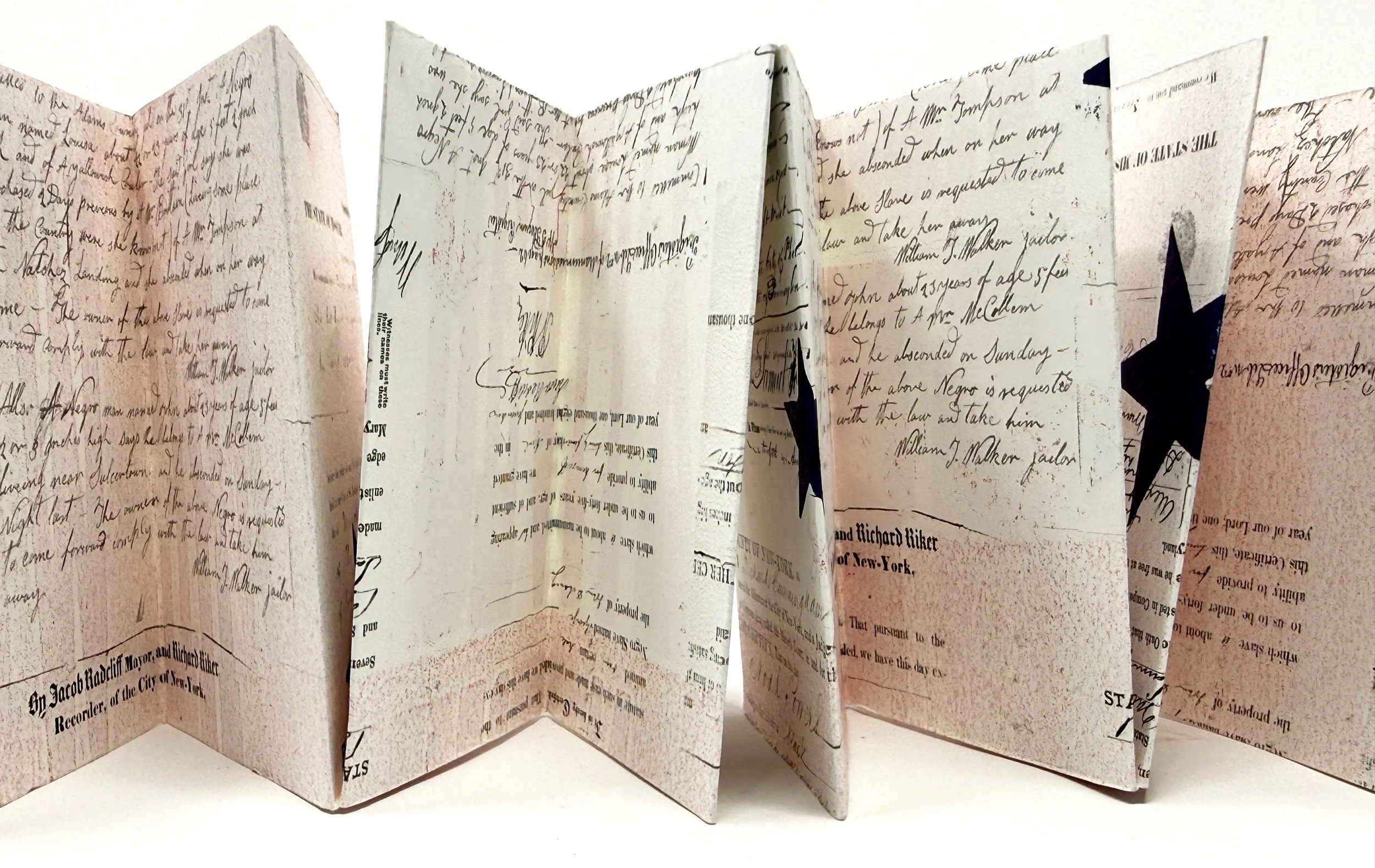
Freedom Papers is a zine collection conceived and assembled in protest and remembrance by Sarah Matthews. The work is inspired by Joseph Trammell’s freedom papers and Jessie Telfair’s Freedom Quilt. Each set is housed in an antique tin and wrapped in a letterpress-printed, quilted pouch made from red, white, and blue fabric. The word freedom was letterpress printed using wood type at the PoB in Detroit, Michigan. The work is produced as an edition of 13, referencing the original 13 colonies.
This project draws a direct parallel between the historical “freedom papers” once carried by free African Americans—such as those of Joseph Trammell, preserved at the National Museum of African American History and Culture—and the modern-day REAL ID requirements and immigration documentation demanded in 2025. It reflects on the enduring realities of state surveillance, racial profiling, and the criminalization of identity.
Since beginning this work in June 2025, Matthews has been increasingly disheartened by the growing number of family separations, forced detentions, and deaths resulting from U.S. government actions. Freedom Papers responds to the alarming rise in detentions and deportations, often affecting individuals traveling to court hearings or actively working to secure legal status, under policies enforced and expanded during the Trump Administration. The collection serves as a witness, a warning, and an act of refusal, standing in defiance of systems that continue to question who belongs and who is free.
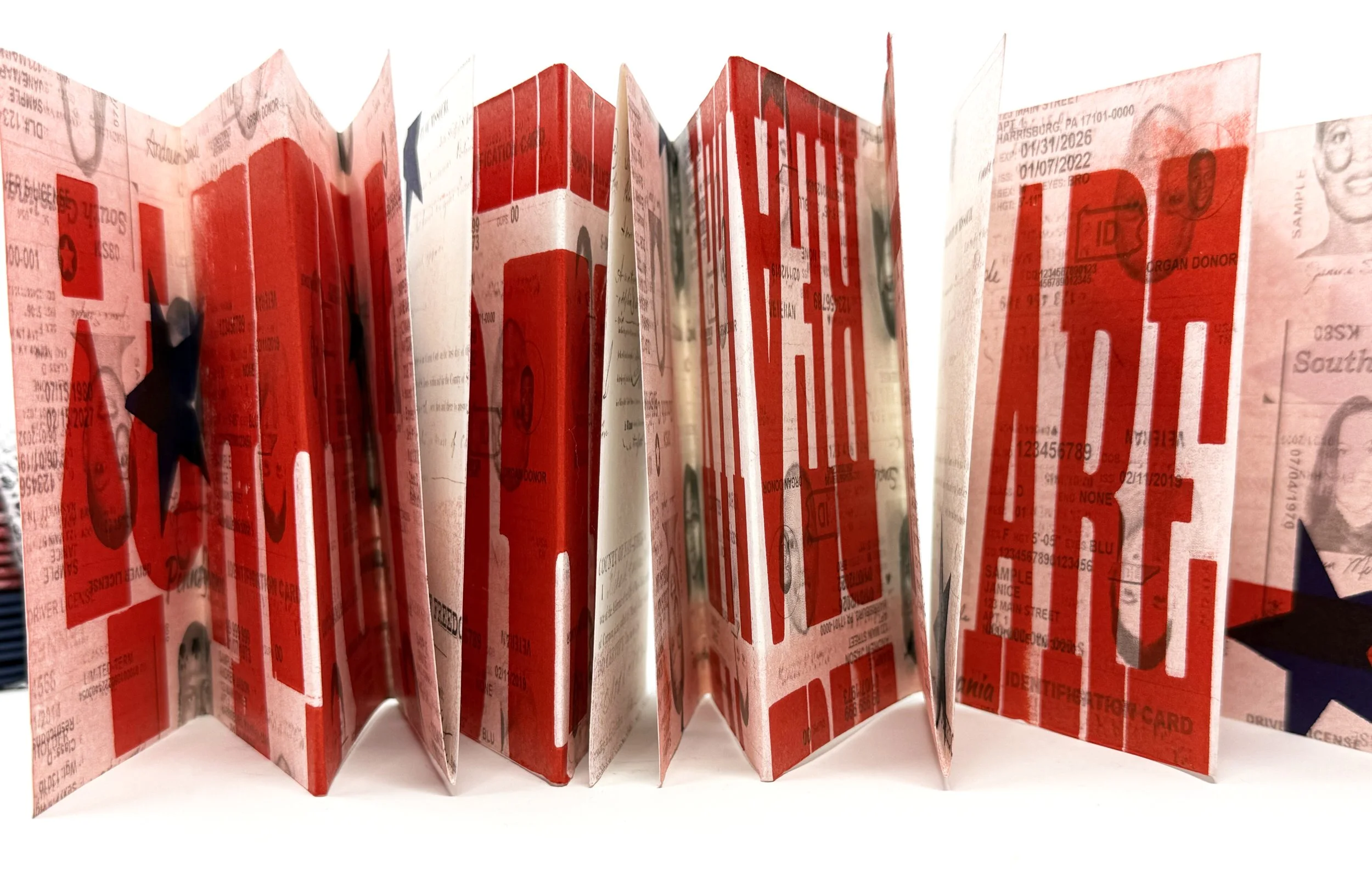
The collection consists of three distinct zines. The first features digitally printed backgrounds of 19th-century freedom papers and contemporary REAL ID samples. Layered over these are letterpress prints of the phrase Are we really free? alongside stars and stripes—symbols that challenge the persistent control and surveillance imposed by the U.S. government.
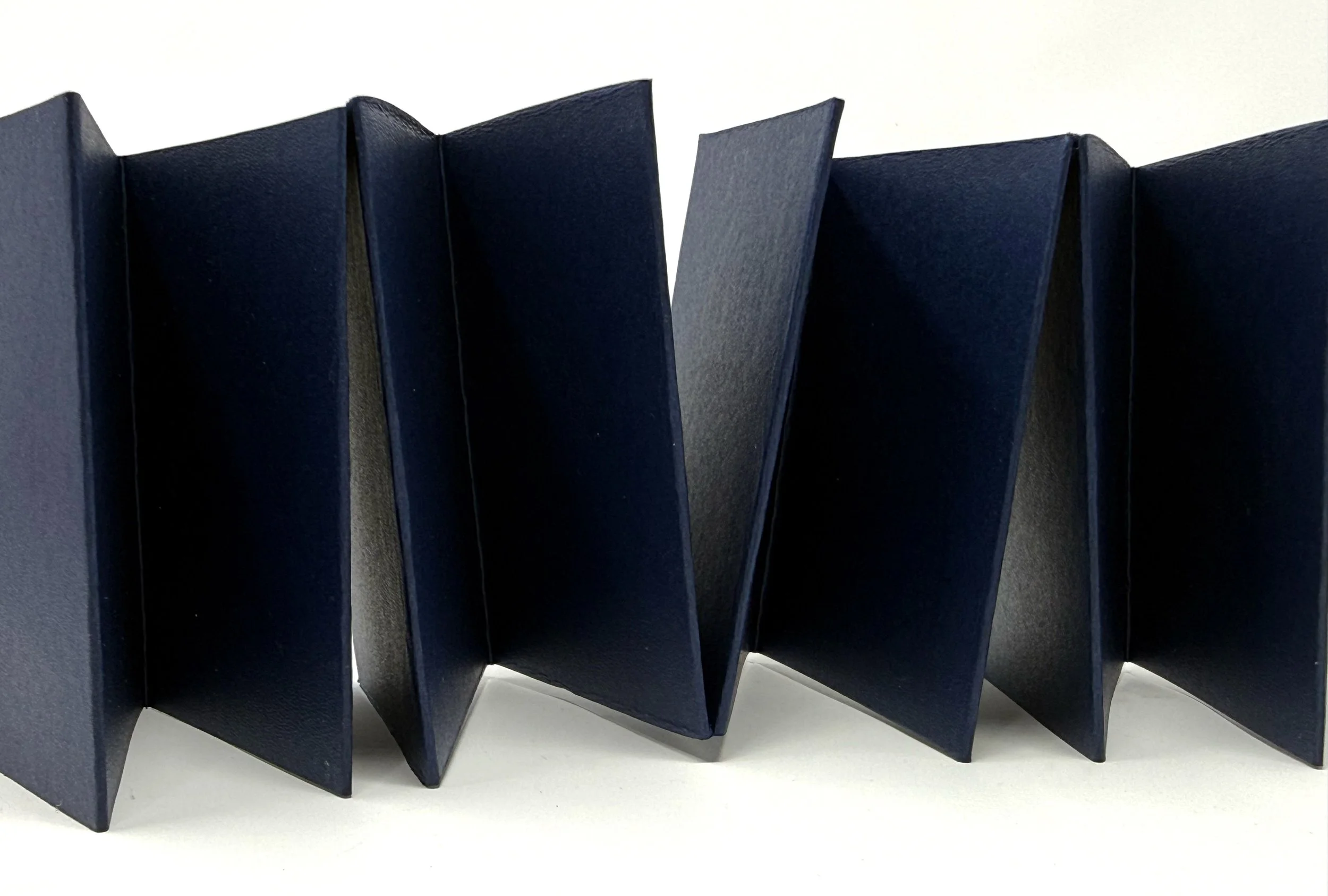
The second zine is letterpress printed in silver ink on navy blue paper and bears the phrase Freedom still depends on the right piece of paper, emphasizing the continued reliance on documentation as a determinant of freedom and mobility.
The third zine features a quote by Harriet Tubman—“I have heard their groans and sighs, and seen their tears,”—letterpress printed on handmade paper, grounding the work in lived experience, historical resistance, and collective memory.
Together, the three zines are folded into zine form, secured with a belly band, and placed within an antique tin, underscoring the fragility, precarity, and perceived value of documented identity.
Variable edition of 13